

- 95% of organizations see no measurable ROI from AI because rushed adoption creates “workslop,” costing $186 per incident in hidden labor.
- AI tools increase workload for 77% of workers by adding new tasks like reviewing outputs, fixing errors, and switching between platforms.
- Heavy context-switching between AI tools kills focus — 42% of users with 10+ apps need 15+ minutes to refocus, reducing productive time to about 4 hours a day.
- Clear boundaries and strong human oversight are essential. Successful teams use vetted tools, set limits, and position AI as an assistant, not a decision-maker.
- Developers using AI coding tools are 19% slower because they spend extra time correcting “almost right” code.
- The real gains come from strategic implementation with human judgment at the center, not from trying to replace humans completely.
Despite 92 percent of companies planning to increase their AI investments, a staggering 95% of organizations see no measurable return on these technologies . I’ve been tracking the AI productivity paradox since ChatGPT launched, and the results in 2025 are both fascinating and concerning.
In fact, while AI productivity tools have doubled in workplace usage since 2023 , they’re creating unexpected challenges rather than delivering the promised efficiency gains. The disconnect is particularly striking when we examine the data: large companies are seeing steady AI-related productivity increases since 2022 , yet small and medium businesses—which employ more than half the U.S. workforce—struggle to achieve similar results .
What’s especially troubling is the growing gap between executive expectations and employee experiences. Employees are three times more likely than leaders realize to believe that AI will replace 30 percent of their work in the next year . However, instead of liberation from tedious tasks, many workers find themselves battling what experts call “AI-generated workslop” that actively hinders their productivity .
Throughout this article, I’ll explore why AI tools are making work harder rather than easier in 2025, and provide practical strategies to avoid the productivity pitfalls that so many organizations are encountering.
The Promise of AI Productivity Tools in 2025
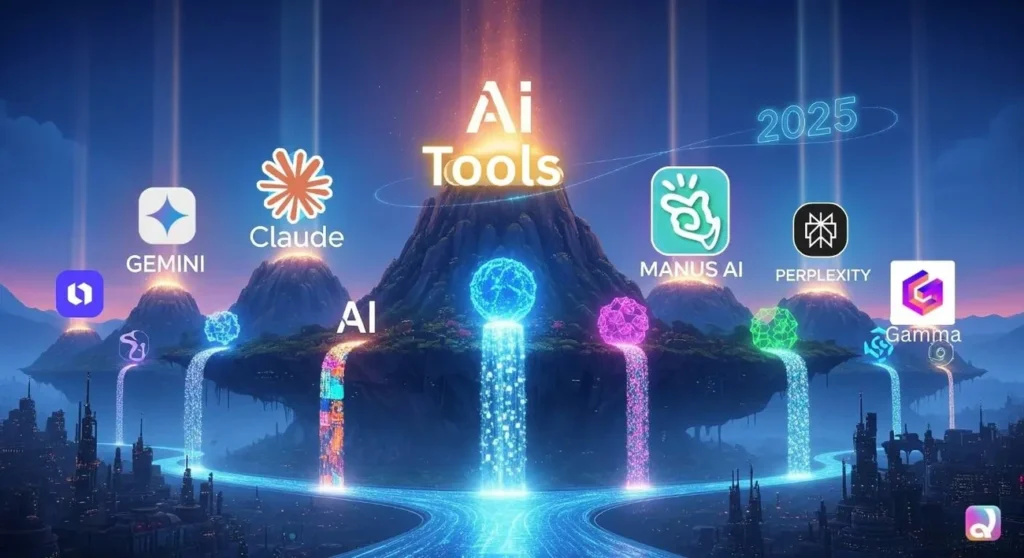
AI productivity tools entered 2025 with enormous expectations on their shoulders. Over the next three years, 92% of companies plan to increase their AI investments, with 55% anticipating growth of at least 10% from current spending levels [1]. These substantial commitments reflect widespread belief in AI’s transformative potential – yet the journey from hype to meaningful implementation remains challenging.
Why AI tools were expected to boost efficiency
The economic promise behind AI productivity has been compelling. McKinsey research has quantified the long-term AI opportunity at $4.40 trillion in added productivity growth potential from corporate use cases [1]. This isn’t merely speculative – early studies demonstrate tangible benefits. Research shows that generative AI users save an average of 5.4% of their work hours (roughly 2.2 hours in a 40-hour week), with frequent users reporting even greater gains [1]. Among workers who use AI daily, a third report time savings exceeding four hours weekly [1].
These efficiency improvements manifest in multiple ways. AI productivity tools automate routine tasks, analyze data rapidly, optimize workflows, and provide decision-making insights [2]. For instance, the National Bureau of Economic Research found that AI assistance increased customer support agent productivity by 14% [2]. Additionally, a 2023 Forrester study revealed a 30% reduction in interaction handle time for chatbot-augmented service agents, delivering an estimated $3.4 million in value over three years [2].
The rise of AI productivity platforms and apps
Throughout 2024-2025, the AI tool landscape has evolved beyond isolated applications into comprehensive ecosystems. These platforms integrate advanced machine learning, data analytics, and automation tools to deliver scalable solutions across enterprises [2]. Their growth has been remarkable – 86 million desktop users (36% of online PC users) now engage with AI tools monthly, exceeding traffic to travel or real estate sites [3].
AI assistants lead adoption rates, with 72% of desktop AI users engaging with tools like Microsoft Copilot, Google Gemini, ChatGPT, and Meta AI [3]. Usage patterns reveal platform-specific behaviors: desktop AI primarily supports productivity tasks (streamlining research, generating content), while mobile applications tend toward creative and social functions [3]. Furthermore, newer entrants continue gaining momentum – DeepSeek, launched in January 2025, attracted 2.5 million U.S. users in its first month alone [3].
Initial adoption trends and expectations
The acceleration of AI implementation has been striking. By 2024, 78% of organizations reported using AI, compared to just 55% the previous year [1]. Yet widespread familiarity hasn’t translated to mature integration. Almost all employees (94%) and C-suite leaders (99%) report some level of familiarity with generative AI tools, but only 1% of leaders describe their companies as “mature” in AI deployment [1].
Moreover, adoption patterns reveal significant gaps between leadership perception and workforce reality. Executives estimate that only 4% of employees use generative AI for at least 30% of their daily work, when the actual figure is three times greater [1]. Similarly, while 76% of leaders and managers use generative AI several times weekly, regular use among frontline employees has stalled at 51% [4].
Perhaps most tellingly, employee enthusiasm lags far behind executive assumptions. Although 76% of executives believe their employees feel enthusiastic about AI adoption, only 31% of individual contributors actually express such enthusiasm [5]. Combined with reports that nearly half of U.S. employees are using banned AI tools at work [1], these disparities highlight the complex adoption landscape organizations must navigate as AI productivity tools continue their rapid expansion.
Where AI Tools Are Falling Short

The reality of AI productivity implementation in 2025 reveals significant shortcomings beneath the polished surface. A striking MIT report found that 95% of organizations see no measurable return on their GenAI investments [6], highlighting a fundamental disconnect between adoption and actual results.
Over-automation of simple tasks
Ironically, tools designed to reduce workload often create new forms of labor. A revealing Upwork survey found that 77% of workers reported AI tools actually increased their workload and decreased productivity [7]. Throughout organizations, a phenomenon called “workslop” has emerged—polished-looking AI content that shifts real work onto colleagues, with each incident costing approximately $186 in hidden labor costs [1].
At companies with 10,000 employees, this productivity drain amounts to over $9 million annually in invisible costs [1]. The fundamental issue isn’t that AI productivity tools eliminate tasks, but rather they introduce new ones: reviewing AI-generated content for errors, navigating complex interfaces, and constantly updating skills to keep pace with evolving technologies [7].
Lack of contextual understanding
Current AI productivity platforms demonstrate impressive capabilities in specific scenarios but crumble when context changes. MIT researchers discovered that an AI model providing near-perfect driving directions in New York City actually lacked an accurate internal map of the city [8]. Consequently, when researchers closed just 1% of streets and added detours, accuracy immediately plummeted from nearly 100% to only 67% [8].
This failure stems from AI’s inability to understand meaning beyond raw patterns in data [9]. Essentially, artificial intelligence productivity tools lack the capacity to grasp nuanced social, cultural, and historical factors that influence information [9]—critical elements for business decision-making.
Increased time spent correcting AI output
Perhaps most troubling is the growing proportion of time spent fixing AI mistakes. A key challenge is “hallucinations”—AI-generated content that appears plausible but contains fabricated information [7]. This requires employees to spend substantial time fact-checking and correcting outputs, negating anticipated time savings [7].
According to research from Slack’s Future Forum, 47% of knowledge workers report AI efficiency tools actually increase the time spent revising content rather than reducing it [7]. Furthermore, in development environments, 95% of developers report spending extra time correcting AI-generated code, with many indicating the net effect is slower delivery [1].
The problem extends beyond individual frustration. Four in ten employees report receiving AI-generated “workslop” in the past month, with each instance requiring nearly two hours to address [1]. Instead of eliminating work, AI productivity apps often just redistribute it—from execution to oversight—frequently adding social friction as teams must negotiate who should fix AI-generated problems [1].
The Hidden Costs of AI Integration
Beyond the visible challenges of AI tools lies a deeper layer of hidden costs that organizations are only beginning to recognize in 2025. These invisible expenses significantly impact the promised return on investment from AI productivity solutions.
Cognitive overload from tool-switching
The AI landscape is exploding with options, yet each additional tool amplifies the mental burden on employees. Indeed, 42% of employees who use more than 10 apps take 15 minutes or longer to refocus after switching tasks [2]. This context-switching penalty creates a significant productivity drain as workers navigate between multiple AI interfaces.
The notification avalanche compounds this problem. One-quarter of surveyed professionals receive more than 30 notifications daily [2], further fragmenting attention. Subsequently, workers find themselves battling what experts call “tool fragmentation” – where every AI solution creates yet another workspace to manage.
The cumulative effect is startling: nearly 45% of tech workers report spending only four hours or fewer per day on focused work [2]. This cognitive drain represents a hidden cost that rarely appears in ROI calculations yet fundamentally undermines AI productivity tools’ effectiveness.
Training time and learning curves
Mastering AI tools requires substantial upfront investment. Nonetheless, three-quarters of companies have yet to see real value from their AI initiatives [3], largely because the learning curve is steeper than anticipated.
Learning to use multiple AI productivity platforms demands time and cognitive energy that organizations frequently underestimate. According to Boston Consulting Group, approximately 70% of AI implementation challenges stem from human factors like skills and culture rather than technology itself [3].
The training burden becomes even more pronounced as companies deploy multiple specialized AI solutions. Each tool requires its own onboarding process, creating what one study calls the “frozen middle” – middle managers hesitant to change workflows in favor of unfamiliar AI processes [3].
Subscription and infrastructure costs
Apart from visible subscription fees, the infrastructure supporting AI efficiency tools creates substantial expenses. Organizations face significant costs for computing power, cooling systems, and electricity – with AI data centers requiring specialized cooling that relies on large amounts of water [10].
Personnel costs represent another major investment, as finding and retaining AI talent remains both challenging and expensive. Annual salaries for top AI specialists can reach hundreds of thousands of dollars [10]. Additionally, maintenance costs persist long after implementation, as AI systems require regular retraining with new data to maintain accuracy [10].
Primarily, these costs compound when organizations maintain multiple AI productivity apps simultaneously. Managing numerous subscriptions, integration challenges, and learning curves across platforms creates what experts term “agent sprawl” – the proliferation of AI agents across different vendors [11]. This fragmentation undermines the very efficiency these tools promise to deliver.
Real-World Examples of AI Making Work Harder

Looking at real-world data from 2025, AI productivity initiatives are creating unexpected challenges in key business functions.
Customer service teams overwhelmed by AI suggestions
Customer service departments, once promised efficiency through AI, now face a different reality. Support agents using AI tools report spending up to 10% of their time searching through AI suggestions that often miss context or require extensive correction [4]. Remarkably, when integrated poorly, these systems contribute to mental fatigue and high turnover rates among support staff. One study found that customers still abandon support requests if delays stretch too long, with 60% of customers abandoning requests during excessive wait times [4].
Developers slowed down by AI coding tools
Contrary to expectations, a groundbreaking METR study revealed that AI coding tools actually increased task completion time by 19% for experienced developers working on familiar codebases [5]. Before the study, these same developers predicted AI would decrease their task completion time by 24%. Even after completing tasks with AI assistance, they maintained the belief that AI had improved their speed by 20% [5].
The main culprit? Developers spent excessive time reviewing and correcting AI-generated code that appeared “directionally correct but not exactly what’s needed” [5]. One developer noted they “wasted at least an hour first trying to solve a specific issue with AI” before eventually abandoning the AI approach entirely [12].
Writers and marketers battling ‘workslop’
Throughout 2025, the phenomenon of “workslop”—AI-generated content that looks polished but lacks substance—has emerged as a major productivity drain. Each incidence of workslop requires colleagues to spend an average of one hour and 56 minutes deciphering and fixing the content [13]. For organizations with 10,000 employees, given the estimated prevalence of workslop (41%), this translates to over $9 million yearly in lost productivity [13].
Underneath, workslop creates social friction, with 34% of recipients notifying managers about such incidents, potentially damaging workplace relationships [14]. Additionally, 32% report being less likely to want to work with the sender again [14].
How to Use AI Tools Without Losing Productivity

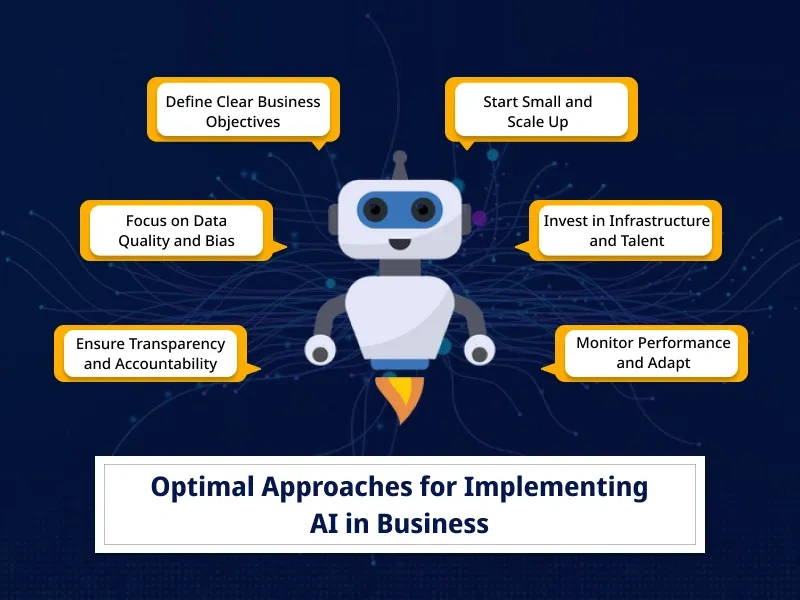
In response to these AI productivity challenges, organizations must adopt a strategic approach that maintains human primacy in the human-AI partnership. Effective implementation requires thoughtful boundaries and processes that leverage AI strengths while preserving human expertise.
Set clear boundaries for AI use
Establishing clear AI policies defining what employees can and cannot do with specific tools is fundamental for productive implementation [15]. Organizations should require employees to use only vetted AI products that have been approved by management [16]. This prevents “agent sprawl” – the uncontrolled proliferation of AI tools that leads to inconsistent results.
Setting time limits for daily AI usage through timers or designated AI-free zones prevents the endless cycle of suggestions and refinements that AI systems generate [17]. Without such boundaries, employees risk falling into what researchers call the “hallucination trap” – spending excessive time correcting AI mistakes rather than completing actual work.
Choose tools that integrate with your workflow
Selecting AI solutions that align with existing systems prevents disruptive transition periods [18]. Successful integration requires phased implementation – starting with pilot programs in specific departments before organization-wide adoption [18]. This methodical approach allows for feedback collection and necessary adjustments before scaling.
Integration capabilities determine whether tools enhance or obstruct productivity. Effective AI solutions grow alongside business needs rather than creating technological dead ends [19]. Moreover, tools should be intuitive enough that employees can adopt them without extensive retraining.
Prioritize human oversight and review
Human oversight remains non-negotiable for ethical AI implementation [20]. The “human-in-the-loop” approach serves as a critical safeguard against errors and unwittingly unjust outcomes [21]. Organizations must establish clear accountability chains with designated oversight roles and channels for appeals when AI systems produce questionable results.
All AI-generated work requires human review to maintain quality standards and prevent propagating errors [16]. This oversight preserves the values and judgment that AI fundamentally lacks.
Avoid over-reliance on AI-generated content
Uncritical AI dependence diminishes essential cognitive skills including decision-making and analytical thinking [22]. To counter this effect, experts recommend thinking about subjects independently before consulting AI tools [23]. Additionally, asking AI for facts rather than interpretations prevents outsourcing critical thinking responsibilities.
Above all, remember that AI tools should serve as assistants rather than decision-makers [24]. By maintaining this perspective, organizations can harness AI’s computational power while preserving the human judgment that remains irreplaceable.
Conclusion
Despite the remarkable advancements in AI productivity tools throughout 2025, the evidence clearly shows a troubling gap between expectations and reality. Throughout my research, I’ve found that while companies continue investing billions in these technologies, the promised productivity gains remain elusive for most organizations. Instead, many workers now battle “workslop,” cognitive overload, and the constant need to correct AI-generated content.
Certainly, AI tools offer tremendous potential when implemented thoughtfully. However, the current approach many companies take—rushing to adopt multiple AI solutions without clear boundaries or integration strategies—actively undermines productivity rather than enhancing it. The data speaks volumes: 95% of organizations see no measurable return on their GenAI investments, while 77% of workers report these tools actually increase their workload.
This productivity paradox stems primarily from our failure to recognize that AI works best as a complement to human capabilities, not a replacement. AI excels at processing vast amounts of data and generating initial drafts, yet still lacks the contextual understanding and judgment that humans bring naturally to their work.
Therefore, successful AI implementation requires a fundamental shift in approach. Companies must establish clear boundaries for AI use, select tools that seamlessly integrate with existing workflows, maintain rigorous human oversight, and avoid over-reliance on AI-generated content. These strategies help prevent the common pitfalls that currently plague AI adoption.
The path forward demands balance. Rather than viewing AI as either a miracle solution or an existential threat, we should recognize it as simply another tool—powerful but imperfect. Companies that maintain human judgment at the center of their AI strategy will likely avoid the productivity traps that have ensnared so many organizations in 2025.
Ultimately, the true value of AI productivity tools comes not from replacing human work but from enhancing it in meaningful ways. Organizations that understand this distinction stand the best chance of turning the current AI productivity paradox into genuine efficiency gains. The rest will continue wondering why their substantial AI investments yield disappointing returns.