Developed by Nous Research and crossing 140,000 GitHub stars in early 2026, Hermes Agent is the premier open-source autonomous agent designed to grow alongside you. Unlike thin wrappers around LLM APIs, Hermes features a closed learning loop: it creates skills from experience, improves them during use, and builds a deepening model of the user via FTS5 cross-session recall. It is completely model-agnostic, running exceptionally well on local NVIDIA RTX hardware (like Qwen 3.6 27B) or via cloud providers.
Key Features
- Self-Evolving Skills: Automatically writes, refines, and persists its own reusable tools and scripts.
- Persistent Memory: Nudges itself to store knowledge and uses cross-session recall to remember project context permanently.
- True Sandboxing: Supports 6 terminal backends including Docker, SSH, Singularity, and serverless infrastructure like Modal.
- Parallel Sub-Agents: Spawns isolated, short-lived workers dedicated to sub-tasks with zero context collision.
- Messaging Gateway: Native integration with Telegram, Discord, Slack, and WhatsApp.
Real Pricing Tiers (May 2026)
- Core Software: Free (MIT License).
- Hosting: $0 (if run locally on your GPU) up to $5–$80/mo if deployed on a VPS or serverless platform.
- LLM Inference: Variable. You can run it for free locally (via Ollama/LM Studio) or pay per token using APIs like OpenRouter or OpenAI.
Pros & Cons
Pros:
- Unparalleled long-term memory; it actually learns your preferences and project architecture over time.
- Maximum privacy and data ownership when run locally.
- Highly cost-effective for 24/7 always-on operation (especially on serverless infrastructure).
Cons:
- Requires terminal/CLI comfort for initial setup.
- Quality heavily depends on the intelligence of the LLM you choose to power it.
Best For
Developers, privacy-conscious power users, and researchers who want a persistent, always-on AI companion that continuously evolves.
Alternatives
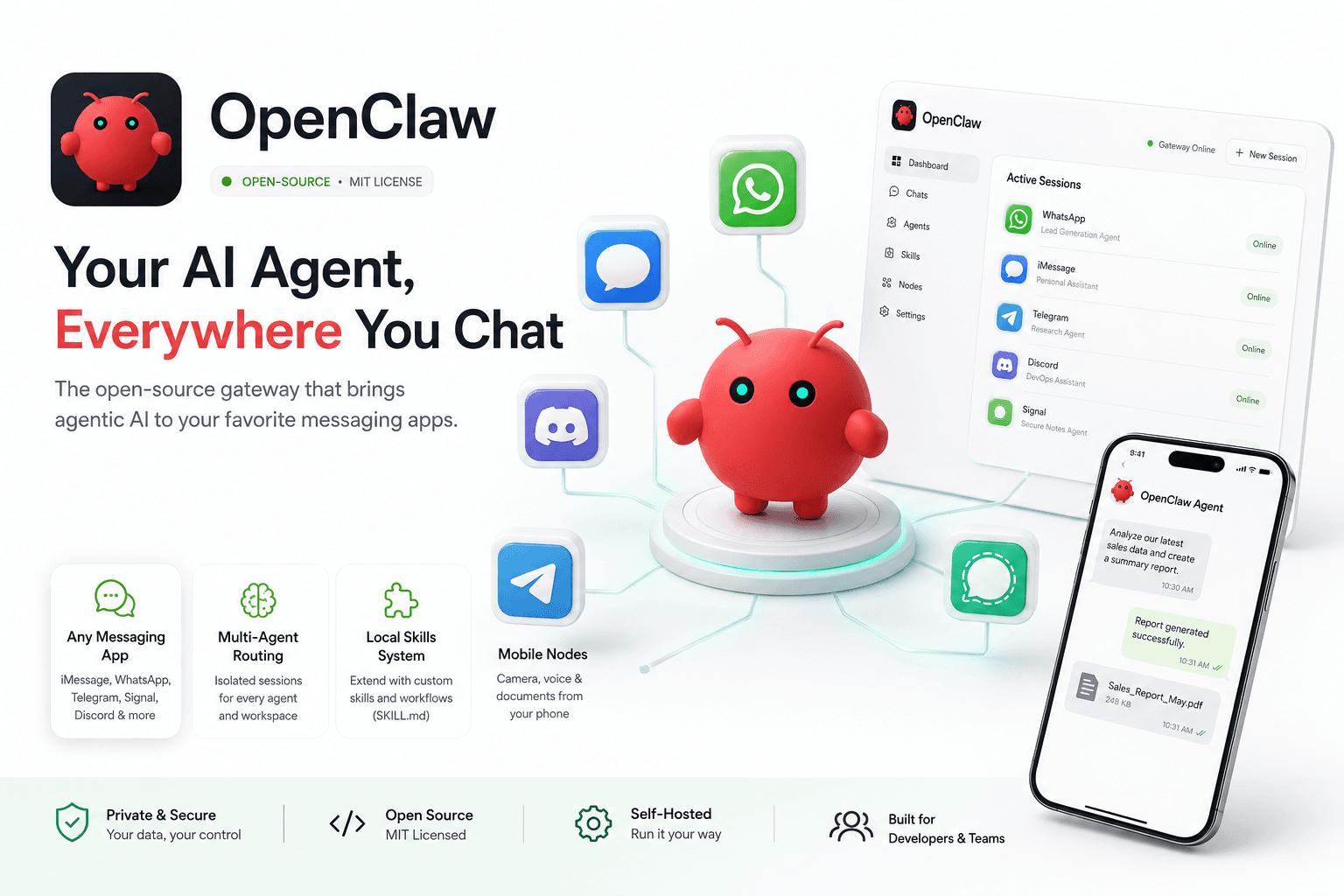
OpenClaw, Claude Code.
Top 5 FAQs about Hermes Agent
1. Is Hermes Agent actually free?
The framework itself is 100% open-source and free. You only pay for the hardware to run it (like a VPS) or the API costs if you connect it to a paid cloud LLM.
2. Do I need a powerful GPU to run Hermes?
Not necessarily. While it shines on high-end NVIDIA hardware running local models (like Qwen), you can easily run it on a cheap $5 VPS and route the intelligence through an external API like Anthropic or OpenRouter.
3. Can it automate scheduled tasks?
Yes. Hermes includes natural language cron scheduling, allowing it to wake up, run reports, and send you briefings on platforms like Telegram while you sleep.
4. How does its memory system work?
It uses an agent-curated FTS5 cross-session recall system. Instead of just stuffing context windows, it summarizes past sessions and retrieves only the exact memories relevant to your current task.
5. Is Hermes safe to run on my local machine?
Yes, it offers robust container hardening, namespace isolation, and command approval loops so the agent cannot run destructive commands without your permission.
See also: Full Hermes Agent tool profile on HyzenPro with setup notes, pricing tiers, and alternatives.